


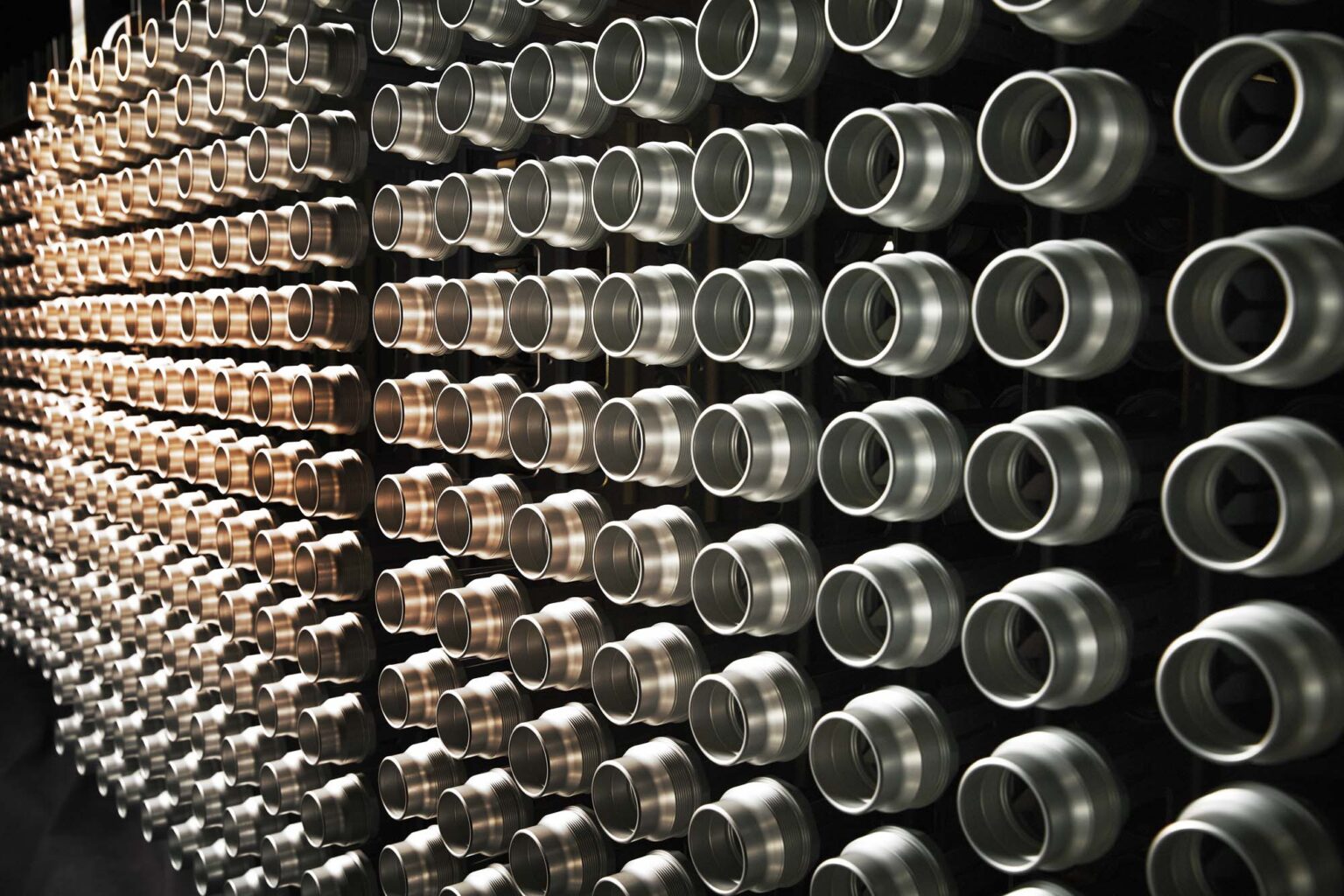
Aluminium surface treatments for medical applications
Which coatings combine corrosion protection with cleanability and biocompatibility?
High demands are placed on aluminium components once they are used in medical applications. Think of chemical resistance, sterilizability, dimensional stability and optical quality. Mifa Surface Treatment contributes from the design phase and works with you to select the right coating for instruments, housings and precision profiles in medical applications.
Perform beyond the surface.
The right layer for every application
At Mifa, we base the choice of a surface treatment on data and practical validation. With test coatings and extensive batch reports, including layer thickness, roughness and adhesion, we accurately map out performance. We then assess these results against your specific cleaning and sterilization processes.
This way, you are assured of a solution that is technically sound and durable in daily use.
For medical applications, the following aspects are often important:
- Corrosion resistance and cleanability, for example in environments where frequent cleaning or disinfection is required.
- Wear resistance in moving or mechanically loaded parts, such as hinges and guides.
- Colour coding for traceability.
- An alternative to stainless steel for precision components.
Request tailored advice for your application via our Surface Selector tool.
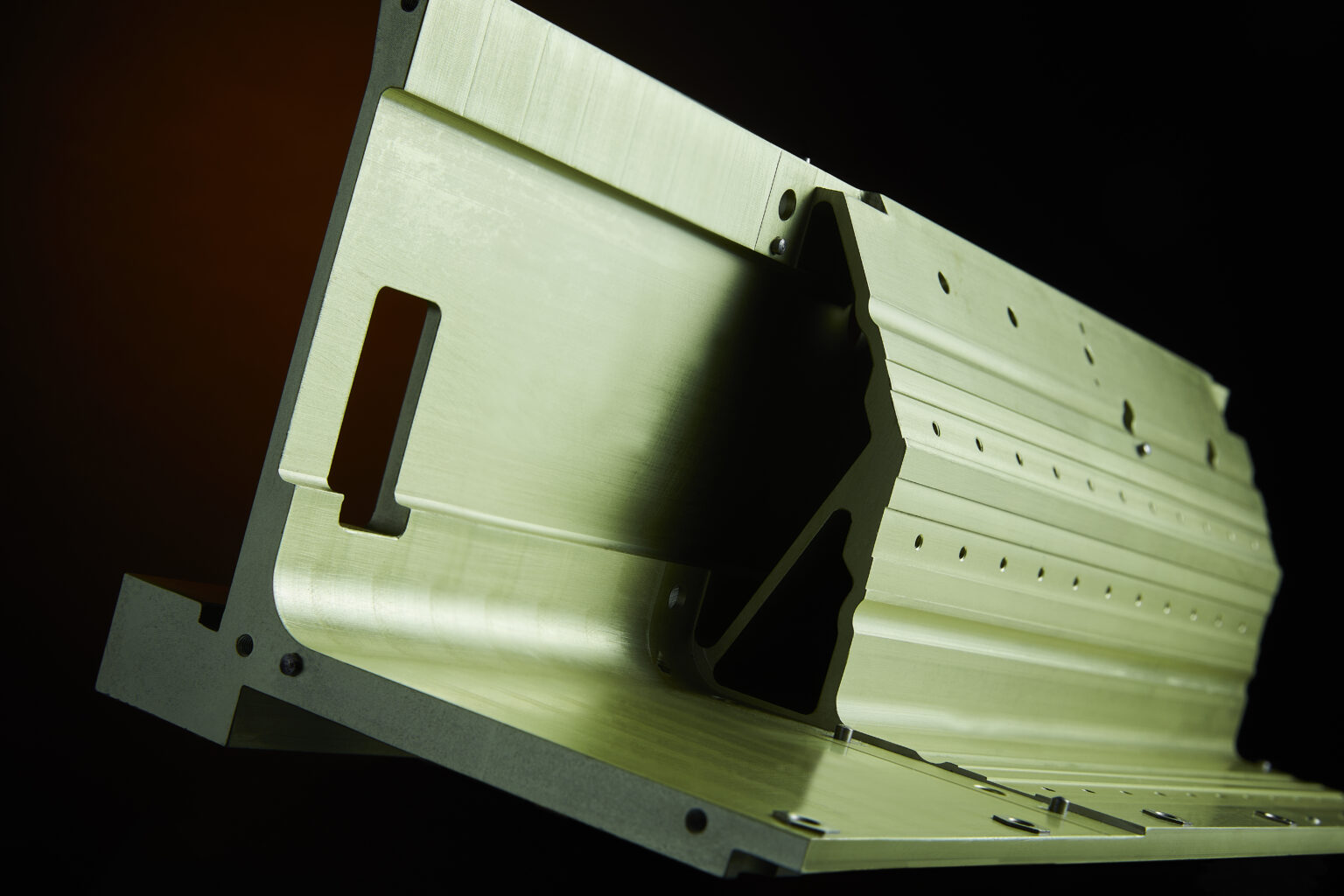
The Surface Selector
Not sure which surface treatment is suitable for your aluminium profile or component? We’re happy to work with you and provide advice based on the application and desired properties.
Use our Surface Selector for tailored advice.
Whether it’s wear resistance, corrosion protection, Cr6-free alternatives or specific visual requirements: we’ll help you choose the right solution for every challenge.
Start with The Surface Selector
Advantages of Mifa for the medical sector
- Scratch resistance: significantly improved resistance to scratches on instrument housings, depending on layer type and roughness, validated with test coatings.
- Dimensional stability: dimensional tolerance deviations smaller than 10 μm, within specified limits.
- PFAS‑free polymer layers such as Tufram, with FDA approval for relevant applications.
- Chromium‑6 free and fully recyclable, in accordance with applicable EU regulations.
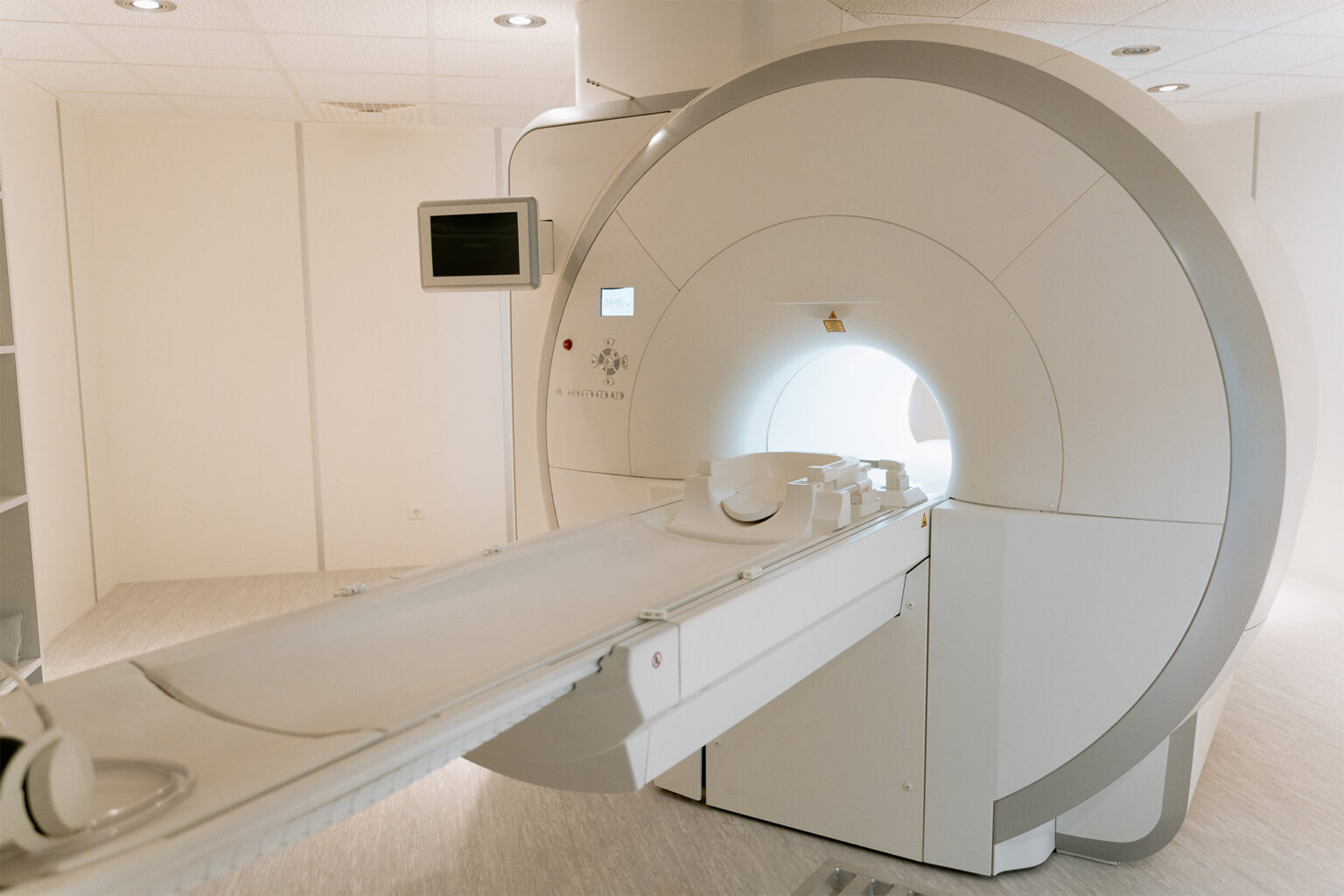
-
Is coloured anodizing safe for medical use?
Yes, provided the anodizing process is performed correctly and the sealing is reliably ensured. For each application, we validate the performance and supply supporting measurement reports.
-
What is the best coating for reusable instruments?
In many cases hard anodizing or TUFRAM®, with the choice determined by the mechanical load and the applied cleaning regime.
-
Does the size or fit change due to a coating?
We take dimensional stability into account in the design. Deviations smaller than 10 μm are achievable and are detailed in the report beforehand.
-
Which coatings are biocompatible or food‑grade?
On request, we test according to relevant standards and advise which coating best matches your specific application. We verify which coatings are biocompatible or food‑grade.
-
Can I use aluminium instead of stainless steel?
In many cases yes, provided the correct surface treatment and process control are applied. We advise on material and coating selection and validate the solution with test coatings.

More information about our aluminium surface treatments for the medical market?
Call Fons
Manager Surface Treatment