


Why choose aluminium, and what to consider?
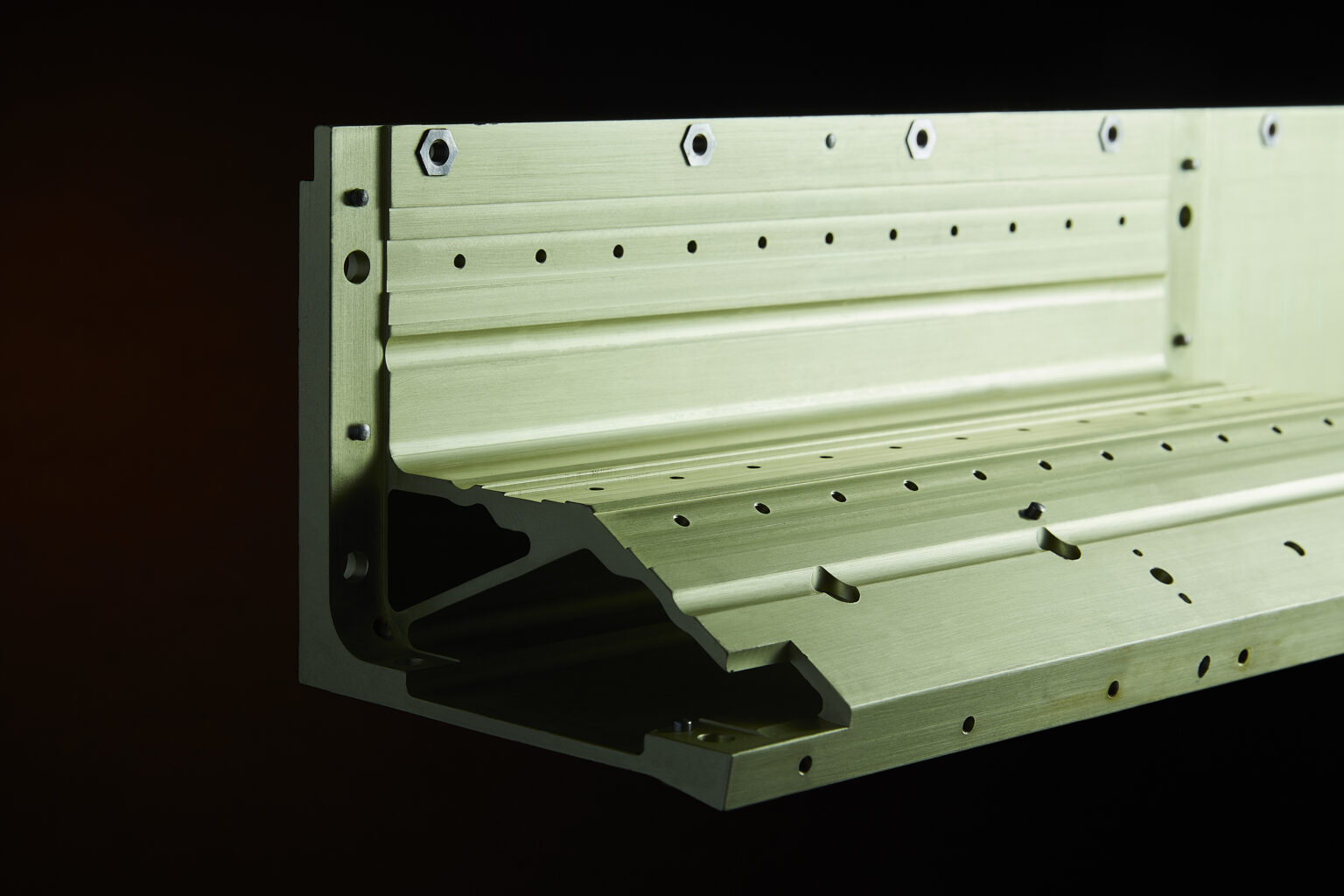
Aluminium is a highly versatile material, which is why engineers frequently select it for a wide range of applications. Its popularity is due to several advantages, including:
- Lightweight
- High strength
- Durability
- Good thermal and electrical conductivity
Despite these benefits, it is important to recognise that aluminium is sensitive to external factors, such as corrosion. For this reason, it is essential to carefully evaluate the intended application of the aluminium profile in advance and ensure that an appropriate protective layer is applied.
The advantages of surface treatments and coatings
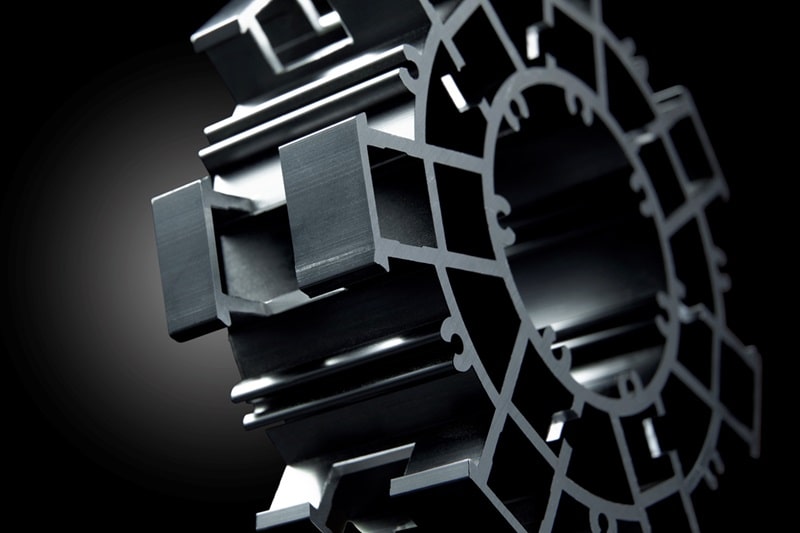
An aluminium surface treatment is the process of treating the surface of aluminium to enhance the properties such as:
- Optimal protection against corrosion
- Achieving the desired reflectivity
- Enhanced wear resistance
- Improved surface texture and roughness
- Applying colour or electrical insulation
- Improved adhesion for gluing or painting
| Advantages of aluminium | Added value surface treatments |
| Lightweight and strong | Strength maintained and additional wear resistance |
| Corrosion resistant | Protection can be further enhanced by the right coating |
| Electrical conductivity | Special coatings can regulate conductivity even better |
Aluminium anodising
Aluminium anodising
Passivation
Passivation
Polymer coatings
Polymer coatings
How to choose the right surface treatment
The right surface treatment is selected based on specifications and requirements. In addition, we advise on coatings per type of application to achieve the best result. Each coating differs in terms of:
- Coating thickness
- Corrosion protection
- Hardness
- Wear resistance
- And more
Since specifications may vary, we are happy to advise you based on your specific needs.
Contact our experts for tailored advice on your requirements via the Surface Selector.